
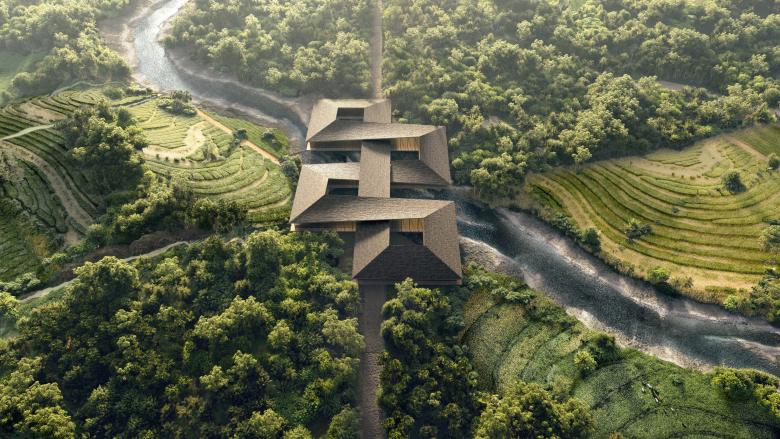
What makes Gelephu Mindfulness City an ideal travel destination for all?
Gelephu Mindfulness City (GMC) is being shaped as a destination where nature, wellbeing, culture, and innovation coexist. Unlike traditional cities around the world, GMC is designed around balance between progress and preservation, movement and stillness. It appeals equally to wellness seekers, nature lovers, families, business travellers, creatives, and those simply curious about a new model of mindful urban living. Its subtropical setting, open landscapes, and slower rhythm make it welcoming and accessible, while its long-term vision gives visitors a sense of witnessing something meaningful taking shape under His Majesty’s vision. Plus, this is a great opportunity to visit a destination that is at the grassroots – in a few years time GMC will be a thriving mindful city and it’s nice to be part of something from the very beginning.
What is something every traveller should know before travelling to Gelephu Mindfulness City?
GMC is a special administrative region located in the southern plains of Bhutan. Gelephu Mindfulness City (GMC) is His Majesty King Jigme Khesar Namgyel Wangchuck’s global vision to create an oasis of mindfulness and prosperity amid growing global uncertainty and geostrategic complexity. Conceived as a new model of development, GMC offers the world an alternative path through Mindful Prosperity one where Bhutan’s traditional values of spirituality, balance, and harmony with nature are seamlessly integrated with innovation, technology, and economic vitality.
GMC is not about spectacle, it is about intention. Visitors should come with an open mind and an appreciation for a place that is evolving thoughtfully rather than being fully formed. This is a destination where you observe, reflect, and engage, rather than consume. The experience is quieter, more grounded, and deeply connected to nature and community.
What essentials does one need to carry when visiting Gelephu Mindfulness City?
Light, breathable clothing is important due to the subtropical climate, along with comfortable walking shoes and a hat. Insect repellent, sunscreen, and a reusable water bottle are useful. More than anything, travellers should bring patience, curiosity, and a willingness to slow down, GMC is best experienced at an unhurried pace.
Which are the most surreal places to visit in and around Gelephu Mindfulness City?
I love rafting on the Manas River or hiking through the forest corridors that weave through and around Gelephu. One of my favourite walks is the Dolpani Waterfall hike is an important spiritual pilgrimage site for both Hindus and Buddhists. GMC is also home to nearly half of the world’s remaining population of white-bellied herons, making everyday encounters with rare wildlife part of life here. Even driving through the city, it is not unusual to see wild elephants moving through nearby areas. These are not dramatic postcard moments, but quiet, deeply immersive experiences that stay with you.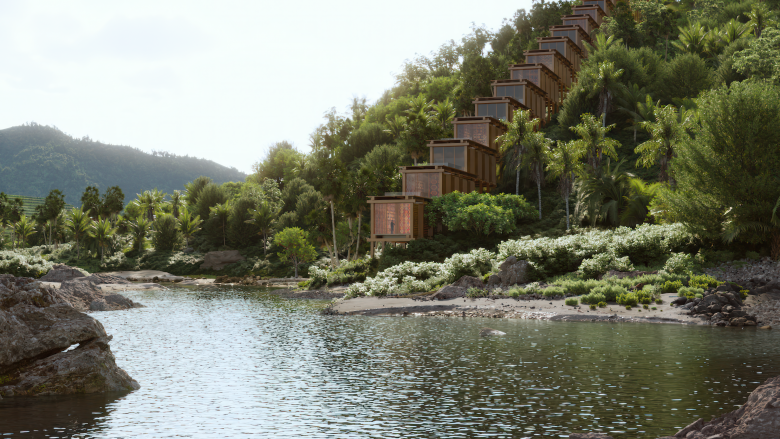
Can you tell us a little about the life of the locals in Gelephu?
Life in and around Gelephu is closely tied to nature, agriculture, and community. GMC is currently a small town with a population of around 10,000 people only. Many locals balance modern professions with farming, family life, and spiritual practice. There is a strong sense of neighbourliness and shared responsibility. There is a strong sense of excitement about the upcoming GMC.
What are the local delicacies or drinks one must try in Gelephu, and where?
Southern Bhutanese cuisine features rice, lentils, seasonal vegetables, fish, and meat dishes, often with bold flavours. Ema datshi, the national dish of Bhutan, remains a staple, alongside dishes influenced by the region’s warmer climate. Local eateries, small family-run restaurants, and farmhouses offer the most authentic experiences. Ara, the local spirit, is sometimes offered during social gatherings, while butter tea and suja remain part of daily life.
What are a few things one must buy when visiting Gelephu Mindfulness City?
Locally woven textiles, handmade bamboo and cane products, incense, traditional paper, spiritual art and simple handcrafted items are good purchases. These items reflect everyday Bhutanese life rather than ornamental souvenirs.
Which is the most romantic place to experience in Gelephu Mindfulness City?
I think the Phulari viewpoint is quite spectacular and also romantic from here you can look out over the India / Bhutan border as well as envision the new city that will be built soon. You can see the mountains and farmlands in the distance.
What are the local festivals one should attend in and around Gelephu? Which is your favourite and why?
Regional tshechus and community festivals in southern Bhutan are deeply rooted in local life and are a lovely experience for guests to Bhtuan. The sarpang tshechu is a popular festival and one of the biggest, although there are many smaller festivals that can also be explored.
What are the things guidebooks will not tell anyone about Gelephu Mindfulness City?
Guidebooks will not tell you how powerful it feels to sit quietly in a place that is being built with intention. They will not tell you about spontaneous conversations with locals, the feeling of openness in the landscape, or the sense that you are witnessing the early chapters of a new story rather than visiting a finished destination.
According to you, what is the best thing about Gelephu Mindfulness City?
Its clarity of purpose. GMC is not trying to replicate any other city or follow a familiar urban model. It is grounded in values, mindfulness, sustainability, and long-term thinking. What I love most is the opportunity it creates: for Bhutan as a nation, for Bhutanese youth, and for the world to see that growth and prosperity can be achieved without compromising values or wellbeing.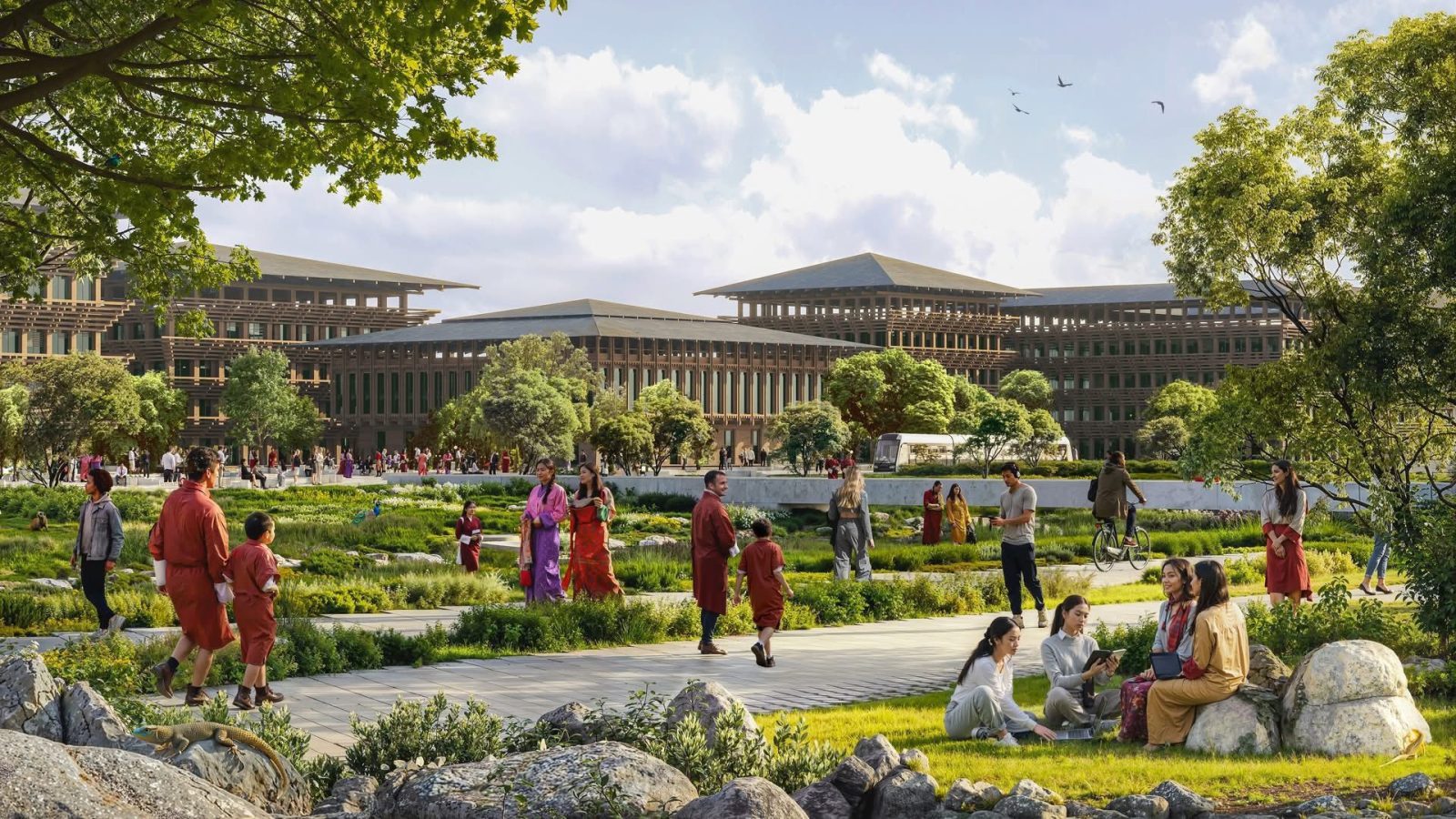
What is your most endearing memory in Gelephu Mindfulness City that you wish more people could experience?
Driving along the road and on one side seeing a golden langur and on the other side a huge herd of elephants. Shortly after that, we saw a family of white bellied herons, where only 60 of these critically endangered birds remain in the whole world. GMC is a natures paradise and a very special place with a bright future.
Editor’s note:
New direct flights between Gelephu and Calcutta (Kolkata) have recently commenced, marking an important milestone in Gelephu Mindfulness City’s connectivity to the region. I had the privilege of being the first international passenger to arrive in Gelephu and receive an immigration stamp on this new route. We would love to help spotlight and support this new Gelephu–Calcutta air link, which makes accessing southern Bhutan easier than ever.
Bio
Carissa Nimah is the Managing Director – Tourism for Gelephu Mindfulness City, leading the tourism workstreams for one of the world’s most ambitious mindful urban developments. She has been visiting the Himalayas for over 15 years and has lived and worked in Bhutan since 2022. With a background in luxury hospitality, destination strategy, and sustainable tourism, Carissa focuses on shaping destinations that prioritise meaning, balance, and long-term value. She loves exploring the Himalayas on her Royal Enfield motorbike.


