Insiders’ View on Gelephu Mindfulness City

What makes Gelephu Mindfulness City an ideal travel destination for all?

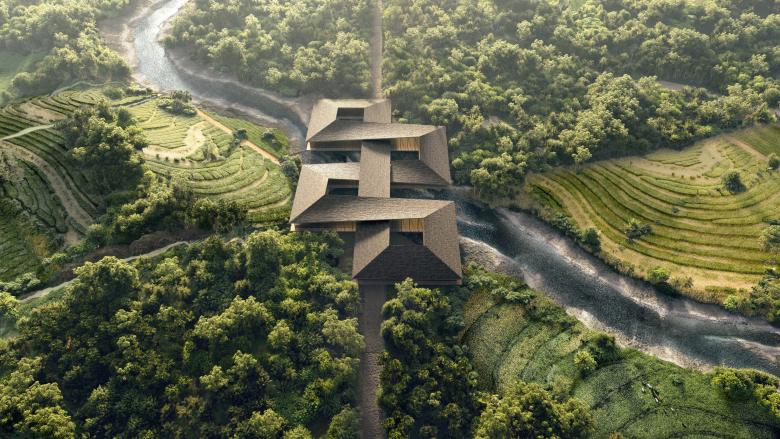
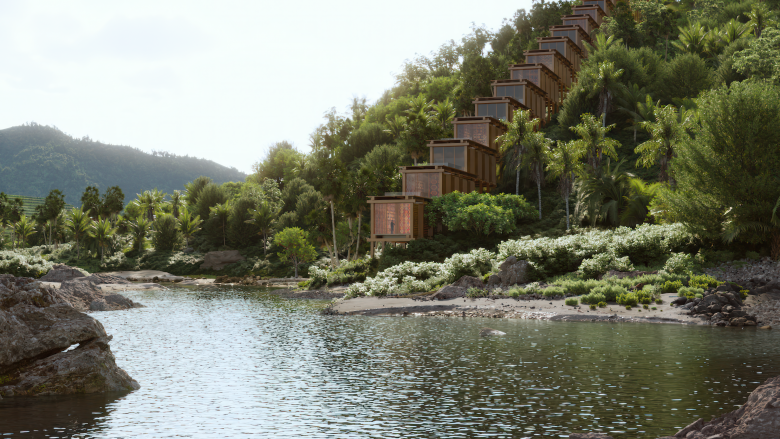
Gelephu Mindfulness City (GMC) is being shaped as a destination where nature, wellbeing, culture, and innovation coexist. Unlike traditional cities around the world, GMC is designed around balance between progress and preservation, movement and stillness. It appeals equally to wellness seekers, nature lovers, families, business travellers, creatives, and those simply curious about a new model of mindful urban living. Its subtropical setting, open landscapes, and slower rhythm make it welcoming and accessible, while its long-term vision gives visitors a sense of witnessing something meaningful taking shape under His Majesty’s vision. Plus, this is a great opportunity to visit a destination that is at the grassroots – in a few years time GMC will be a thriving mindful city and it’s nice to be part of something from the very beginning.

What is something every traveller should know before travelling to Gelephu Mindfulness City?

GMC is a special administrative region located in the southern plains of Bhutan. Gelephu Mindfulness City (GMC) is His Majesty King Jigme Khesar Namgyel Wangchuck’s global vision to create an oasis of mindfulness and prosperity amid growing global uncertainty and geostrategic complexity. Conceived as a new model of development, GMC offers the world an alternative path through Mindful Prosperity one where Bhutan’s traditional values of spirituality, balance, and harmony with nature are seamlessly integrated with innovation, technology, and economic vitality.

GMC is not about spectacle, it is about intention. Visitors should come with an open mind and an appreciation for a place that is evolving thoughtfully rather than being fully formed. This is a destination where you observe, reflect, and engage, rather than consume. The experience is quieter, more grounded, and deeply connected to nature and community.

What essentials does one need to carry when visiting Gelephu Mindfulness City?

Light, breathable clothing is important due to the subtropical climate, along with comfortable walking shoes and a hat. Insect repellent, sunscreen, and a reusable water bottle are useful. More than anything, travellers should bring patience, curiosity, and a willingness to slow down, GMC is best experienced at an unhurried pace.

Which are the most surreal places to visit in and around Gelephu Mindfulness City?

I love rafting on the Manas River or hiking through the forest corridors that weave through and around Gelephu. One of my favourite walks is the Dolpani Waterfall hike is an important spiritual pilgrimage site for both Hindus and Buddhists. GMC is also home to nearly half of the world’s remaining population of white-bellied herons, making everyday encounters with rare wildlife part of life here. Even driving through the city, it is not unusual to see wild elephants moving through nearby areas. These are not dramatic postcard moments, but quiet, deeply immersive experiences that stay with you.
Can you tell us a little about the life of the locals in Gelephu?

Life in and around Gelephu is closely tied to nature, agriculture, and community. GMC is currently a small town with a population of around 10,000 people only. Many locals balance modern professions with farming, family life, and spiritual practice. There is a strong sense of neighbourliness and shared responsibility. There is a strong sense of excitement about the upcoming GMC.

What are the local delicacies or drinks one must try in Gelephu, and where?

Southern Bhutanese cuisine features rice, lentils, seasonal vegetables, fish, and meat dishes, often with bold flavours. Ema datshi, the national dish of Bhutan, remains a staple, alongside dishes influenced by the region’s warmer climate. Local eateries, small family-run restaurants, and farmhouses offer the most authentic experiences. Ara, the local spirit, is sometimes offered during social gatherings, while butter tea and suja remain part of daily life.

What are a few things one must buy when visiting Gelephu Mindfulness City?

Locally woven textiles, handmade bamboo and cane products, incense, traditional paper, spiritual art and simple handcrafted items are good purchases. These items reflect everyday Bhutanese life rather than ornamental souvenirs.

Which is the most romantic place to experience in Gelephu Mindfulness City?

I think the Phulari viewpoint is quite spectacular and also romantic from here you can look out over the India / Bhutan border as well as envision the new city that will be built soon. You can see the mountains and farmlands in the distance.

What are the local festivals one should attend in and around Gelephu? Which is your favourite and why?

Regional tshechus and community festivals in southern Bhutan are deeply rooted in local life and are a lovely experience for guests to Bhtuan. The sarpang tshechu is a popular festival and one of the biggest, although there are many smaller festivals that can also be explored.

What are the things guidebooks will not tell anyone about Gelephu Mindfulness City?

Guidebooks will not tell you how powerful it feels to sit quietly in a place that is being built with intention. They will not tell you about spontaneous conversations with locals, the feeling of openness in the landscape, or the sense that you are witnessing the early chapters of a new story rather than visiting a finished destination.

According to you, what is the best thing about Gelephu Mindfulness City?

Its clarity of purpose. GMC is not trying to replicate any other city or follow a familiar urban model. It is grounded in values, mindfulness, sustainability, and long-term thinking. What I love most is the opportunity it creates: for Bhutan as a nation, for Bhutanese youth, and for the world to see that growth and prosperity can be achieved without compromising values or wellbeing.
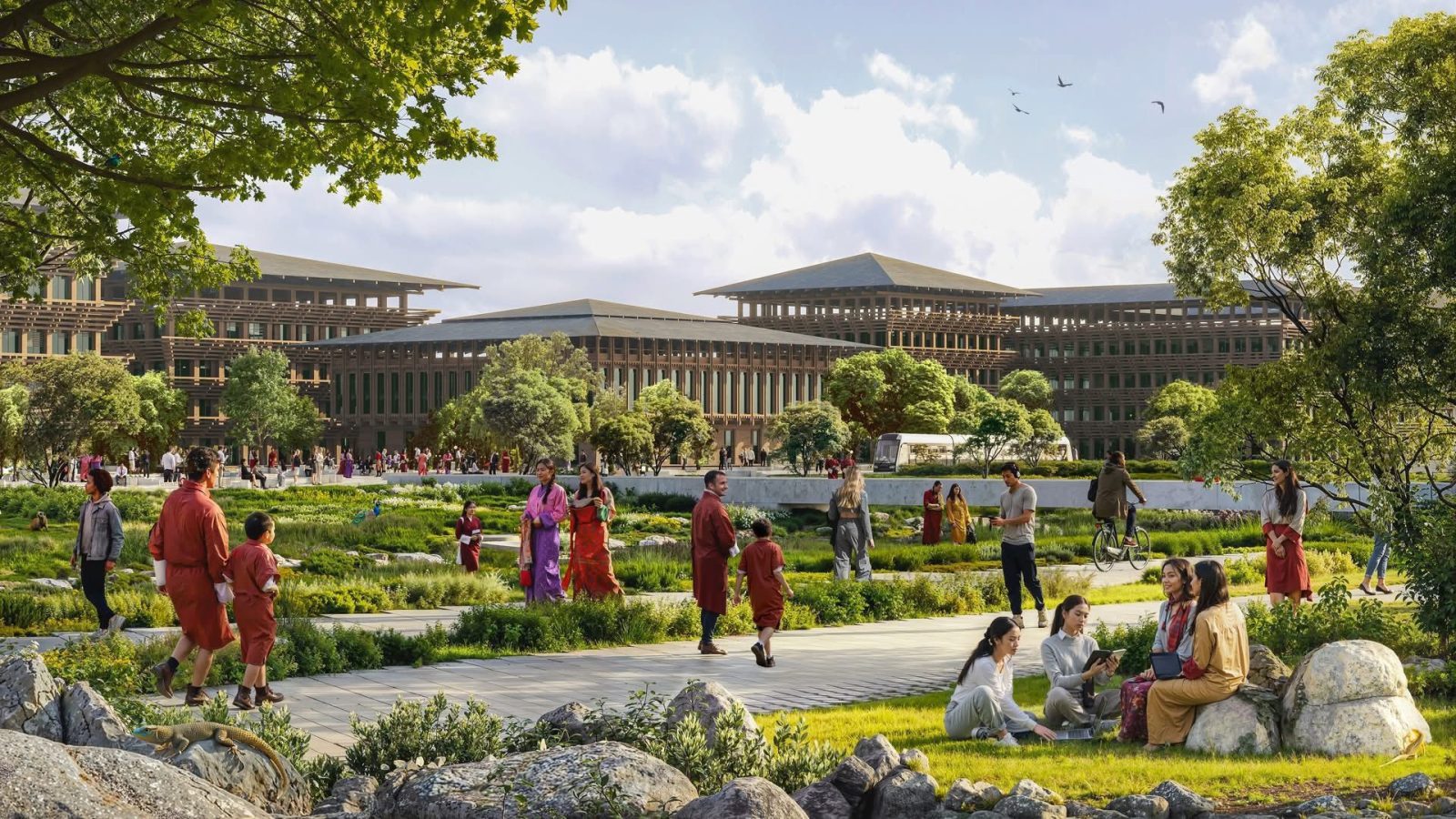
What is your most endearing memory in Gelephu Mindfulness City that you wish more people could experience?

Driving along the road and on one side seeing a golden langur and on the other side a huge herd of elephants. Shortly after that, we saw a family of white bellied herons, where only 60 of these critically endangered birds remain in the whole world. GMC is a natures paradise and a very special place with a bright future.

Editor’s note:

New direct flights between Gelephu and Calcutta (Kolkata) have recently commenced, marking an important milestone in Gelephu Mindfulness City’s connectivity to the region. I had the privilege of being the first international passenger to arrive in Gelephu and receive an immigration stamp on this new route. We would love to help spotlight and support this new Gelephu–Calcutta air link, which makes accessing southern Bhutan easier than ever.

Bio

Carissa Nimah is the Managing Director – Tourism for Gelephu Mindfulness City, leading the tourism workstreams for one of the world’s most ambitious mindful urban developments. She has been visiting the Himalayas for over 15 years and has lived and worked in Bhutan since 2022. With a background in luxury hospitality, destination strategy, and sustainable tourism, Carissa focuses on shaping destinations that prioritise meaning, balance, and long-term value. She loves exploring the Himalayas on her Royal Enfield motorbike.
Insiders View on Zimbabwe

Ms. Sophia Hope T. Chimba, Tourism Attaché, Embassy of the Republic of Zimbabwe New Delhi, opens our eyes and minds to the wonders of Zimbabwe in a freewheeling chat with The Wanderers

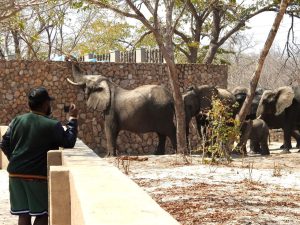
Elephant herd drinking from the resorts pool! Hwange National Park, Zimbabwe
What makes the place an ideal travel destination for all?

Stepping into Zimbabwe feels less like arriving in a country and more like entering a living story. Every moment here is a memory waiting to be etched into your soul. Safe, hospitable, and highly literate (with over 92% of the population fluent in English), Zimbabwe makes communication effortless for visitors.

Zimbabwe is a land of contrasts, vast savannahs where elephants roam freely, misty highlands where waterfalls tumble endlessly, and ancient stone monuments that whisper tales of civilizations past. With 25% of the land dedicated to wildlife conservation, it’s no surprise that the country is home to the Big Five and the second-largest elephant population in the world.

Having a favourable temperate climate all year round, Zimbabwe is always a good idea. Being centrally located in Southern Africa makes the destination accessible and an easy starting point to explore the region.Tell us something that every traveller should know before traveling here?

Indian nationals get a visa on arrival in Zimbabwe, and the country does not require a yellow fever certification for entry, Zimbabwe uses multi-currency with the U$ Dollar a common transactional means. VISA and Mastercard are widely accepted in Zimbabwe.

Any essentials that one needs to carry?

Sunscreen, comfortable shoes, smaller notes in USD for roadside souvenirs are must haves.

Which are the most surreal places to visit here?

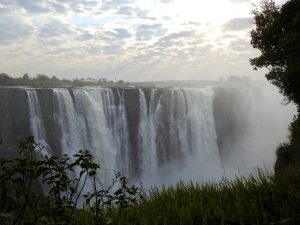
Known in the local language as Mosi oa Tunya, meaning the Smoke that Thunders – The Victoria Falls, one of the seven natural wonders of the world, is the premium tourist destination in Zimbabwe. With a combination of world class accommodation in a naturistic setting, and wildlife that lives in harmony with nature, to adrenaline pumping activities including the Zambezi River predominantly Grade 5 Rapids and the iconic 111m Bungee jump on the Victoria Falls bridge.Victoria Falls, view from Zimbabwe

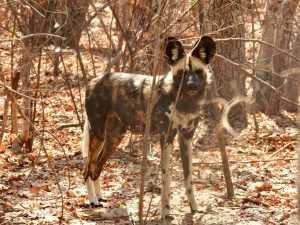
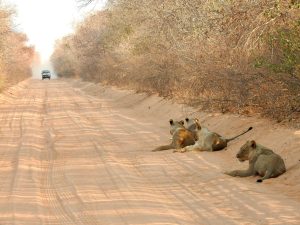
The pristine wildlife and nature of Zimbabwe’s National Parks make Hwange, Mana Pools and Gonarezhou are a must visit. Zimbabwe’s experienced and knowledge guides make walking safaris a bucket list experience for many safari enthusiasts.Hwange National Park, Zimbabwe

Mana Pools National Park, Zimbabwe
The Great Zimbabwe Monument, built stone upon stone without mortar, stands as a testament to resilience and heritage. The 2nd highest stone structure south of the Sahara after the pyramids, Great Zimbabwe meaning a great house of stone – dzimba dze mabwe, the birthplace of a nation’s name, a symbol of pride, and a reminder that Africa’s story is as old as time itself.

The Eastern Highlands, perfect for hiking, birdwatching, chasing waterfalls or just soaking in the views.

Lake Kariba, the largest man-made lake in the world, in close proximity with the National Parks. Whether you are at a luxury camp or houseboat, there is a serene escape into nature.

Can you tell us a little about the life of the locals? 

Zimbabweans are warm, resilient, and deeply proud of their heritage. In bustling towns, vendors sell fresh produce and handmade crafts, while rural communities thrive on farming and livestock. Music, dance, and folklore are woven into daily life. Zimbabwe’s climate makes it an ideal agrarian society thus Agriculture remains the top industry in Zimbabwe, followed by Mining and Tourism.

In the creative arts space, Zimbabweans are highly talented. Most souvenirs are carved out of stone and wood. Sport lies at the heart of Zimbabweans, especially Soccer, which is played throughout the streets of Zimbabwe as a pastime. Other disciplines are also common i.e. Athletics, Cricket, Tennis, Swimming, Netball, Volleyball etc

What are the local delicacies/drinks which one must try here? Can you recommend a few restaurants which locals go to?

Sadza is our staple food which is served with either a veg or meat stew. Zimbabwe’s gastronomy consists of some of the tastiest food in the world due to the organic nature of the ingredients. We have farm to table goodness. MAZOE a cordial which is made from orange juice is the number 1 export drink and common in most households.

Maheu – a traditional drink is also a must try. On the alcoholic front, our local beer ZAMBEZI, named after the Majestic Zambezi River is very popular with visitors.

In Harare, Gava’s Restaurant will give you an idea of Zimbabwe’s Hospitality, good food, good music, good crowd. In Victoria Falls, one has to try The Boma for an interactive traditional experience. However, all towns and cities have thriving restaurants where one can easily mix and mingle with Zimbabweans and get to know them better. International cuisine options are also widely available. Home hosting is also a common practice across the country.

What are a few things which one must buy here? 

Hand-carved stone sculptures, reed baskets, safari wear, jewellery and vibrant national fabrics make for souvenirs that carry Zimbabwe’s spirit. Each piece tells a story – of artisans, of heritage, of pride.

Which is the most romantic place to visit here?

That’s a hard one. I guess I would say Romance in Zimbabwe is found wherever you choose to watch the sunrise or sunset, moments of pure magic that linger long after.

What are the local festivals which one must come to attend here? Which is your favourite and why?

The Jacaranda Music Festival, Victoria Falls Food and Wine Festival, Amai’s Traditional Food and Culture Showcase and the Dzoka Music Festival.

My favourite will have to be a tie between the Jacaranda Music Festival, which is a celebration of new season of growth, signalled by the beauty of the Jacaranda Trees in full bloom and Amai’s Traditional Food and Culture showcase which is the brain child of the First Lady of the Republic of Zimbabwe, Dr Auxilia Mnangagwa, which celebrates Zimbabwe’s authentic gastronomy and empowers women and young girls to be entrepreneurs.

The things guidebooks will not tell anyone about?

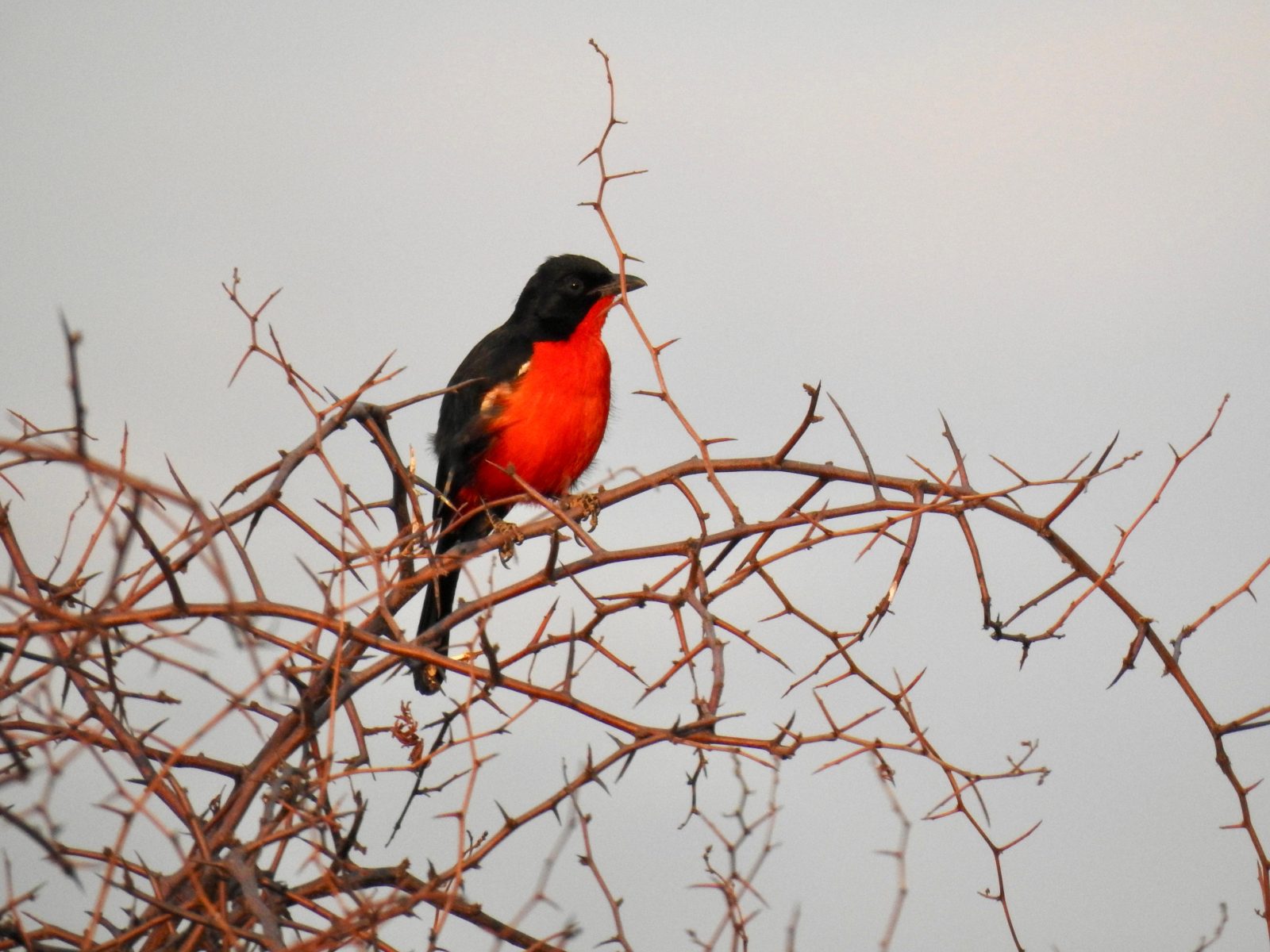
Zimbabwe has a lot of offbeat destinations with rich historical ties, there is also wildlife conservation centres within close proximity of each of the country’s 10 provinces. There is always a new experience awaiting.Crimson breasted shrike, Hwange NP, Zimbabwe

According to you what is the best thing about the place?

Zimbabwe isn’t just a destination. It’s a feeling of belonging, wonder, and timeless connection. Visitors often leave not as tourists, but as family. One just has to come and Experience Zimbabwe!

What is your most endearing travel memory here that you wish more people could have been part of? 

Perhaps the most endearing memory is watching the sunrise over Victoria Falls. The mist rises, rainbows painted across the gorge, and the roar of water feels like the earth itself breathing. It’s a moment of awe, humility, and spiritual connection – one you wish the whole world could stand beside you to witness.

Ms. Sophia Hope T. Chimba is a seasoned tourism professional with over 15 years of experience in Zimbabwe’s vibrant tourism industry. Her expertise spans destination marketing and management, driven by an unwavering passion for showcasing Zimbabwe as a premier travel destination. Currently serving as the Tourism Attaché for Zimbabwe in India, based at the Embassy of the Republic of Zimbabwe in New Delhi, Ms. Chimba is dedicated to cultivating strong tourism ties between Zimbabwe and the Indian market. She firmly believes in the transformative power of tourism to uplift communities and promote global understanding. Through her work, she aims to inspire a new generation of tourism leaders and enthusiasts who share her vision of using tourism as a force for good, strengthening cultural connections and promoting sustainable development worldwide.

All photos by Abhik Dutta, The Wanderers